Farm Bio-Security
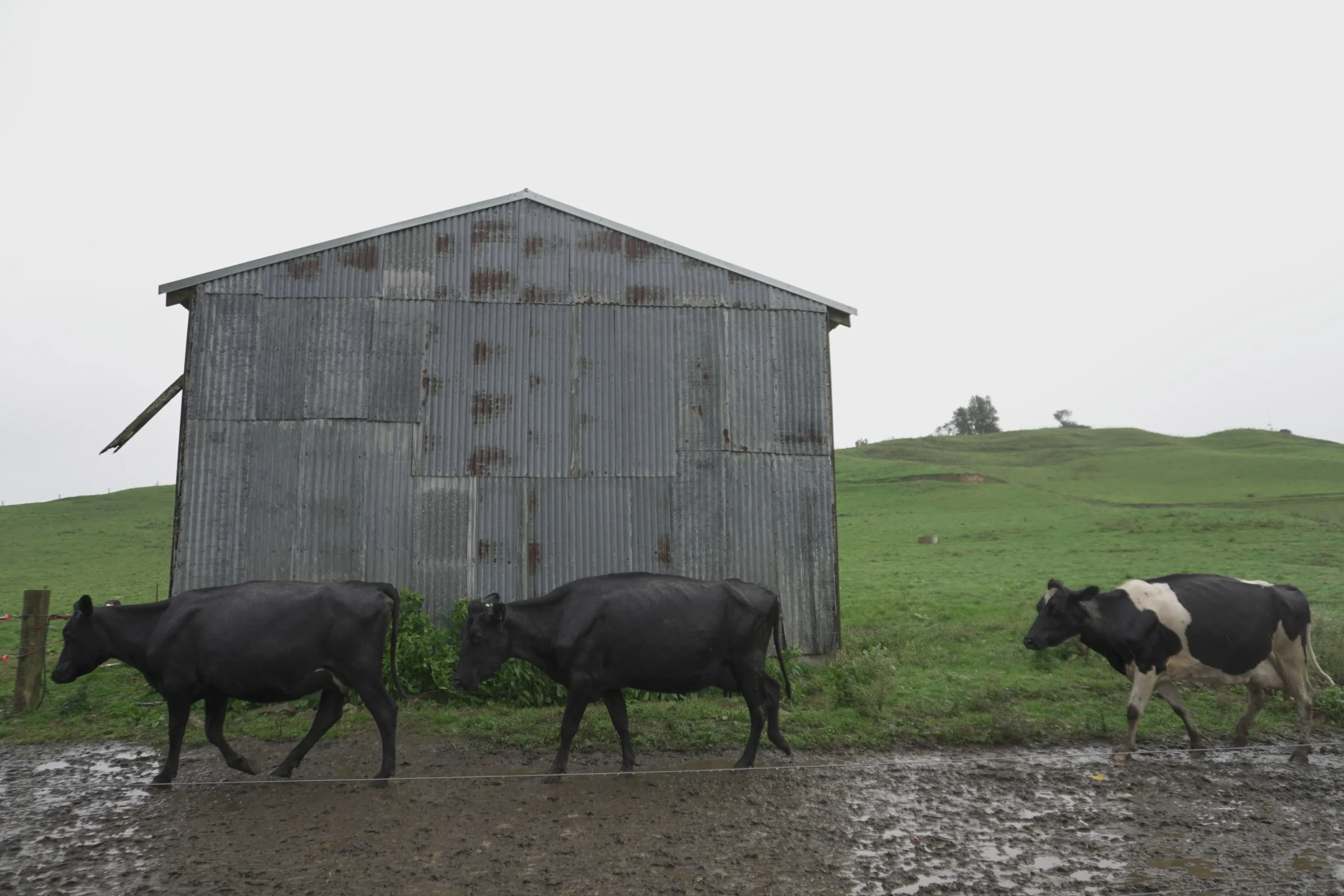
More and more people are choosing farming life over the city, and we love that. Keeping animals, growing fresh fruit and veg, the quiet and the fresh air all sound amazing. But that decision comes with responsibility for the biosecurity of your farm and the areas around it. Whether you run a small hobby farm or a large operation, you need a proper plan in place.
Farm biosecurity is a set of measures that protect a property from pests, diseases and weeds entering, emerging, establishing and spreading. It’s about managing risks to the economy, the environment and the community, and it happens offshore, at the border and on-farm.
Having a farm biosecurity plan matters because if a new pest or disease becomes established on your property, it can lead to:
- increased costs for monitoring, production practices, extra chemicals and labour
- reduced productivity, in yield and/or quality
- loss of markets
The national biosecurity plan released in 2023 focuses on reducing the risk of a repeat of 2022. For many Australian farmers 2022 was a tough year, with foot-and-mouth disease, lumpy skin disease and varroa mite all posing serious threats from overseas. But our own backyard carries many of the same risks. Trucks and other vehicles passing through farms can raise the risk of contamination.
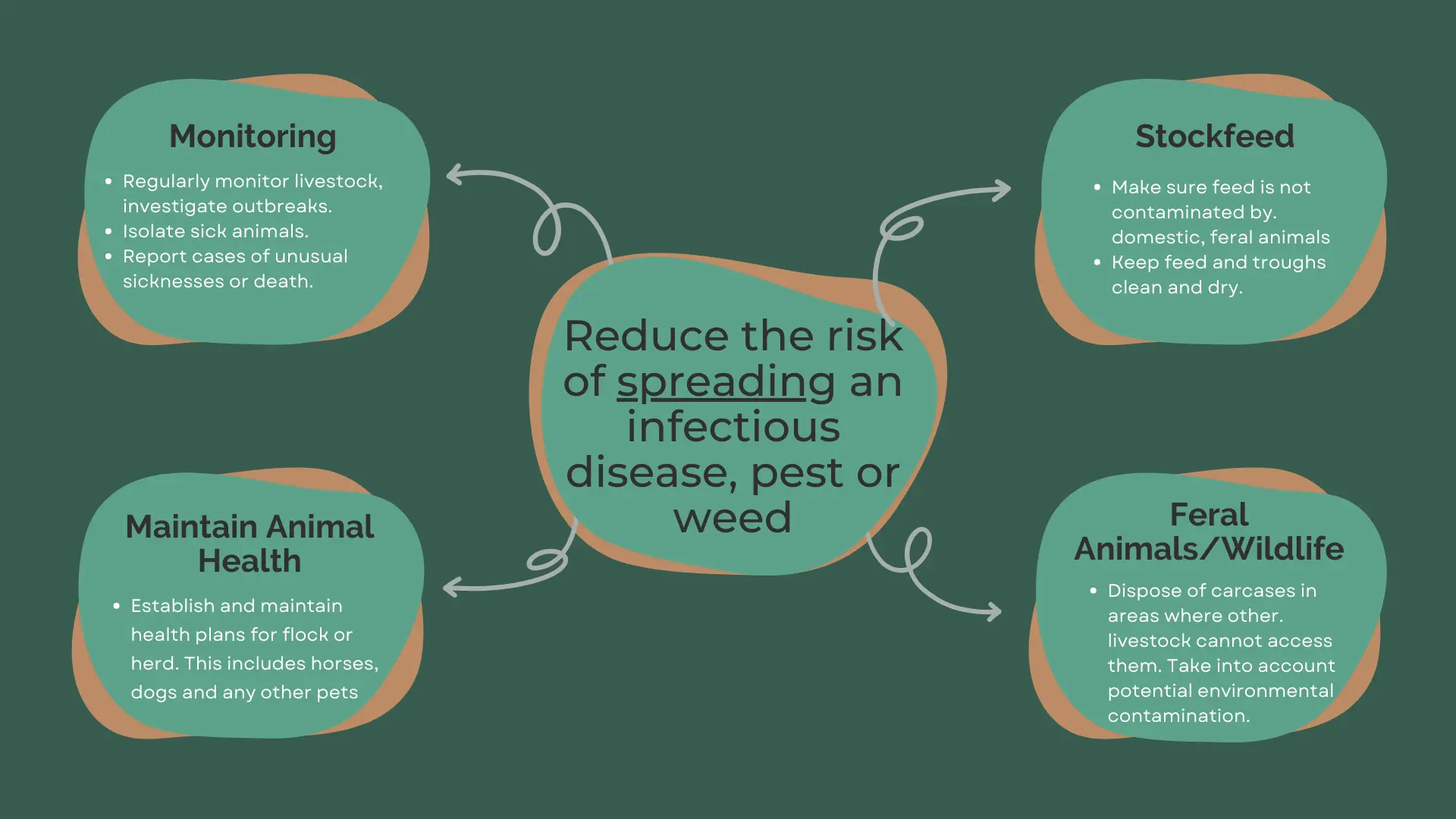
With that in mind, here are some tips to reduce the risk of introducing or spreading a disease, pest or weed:
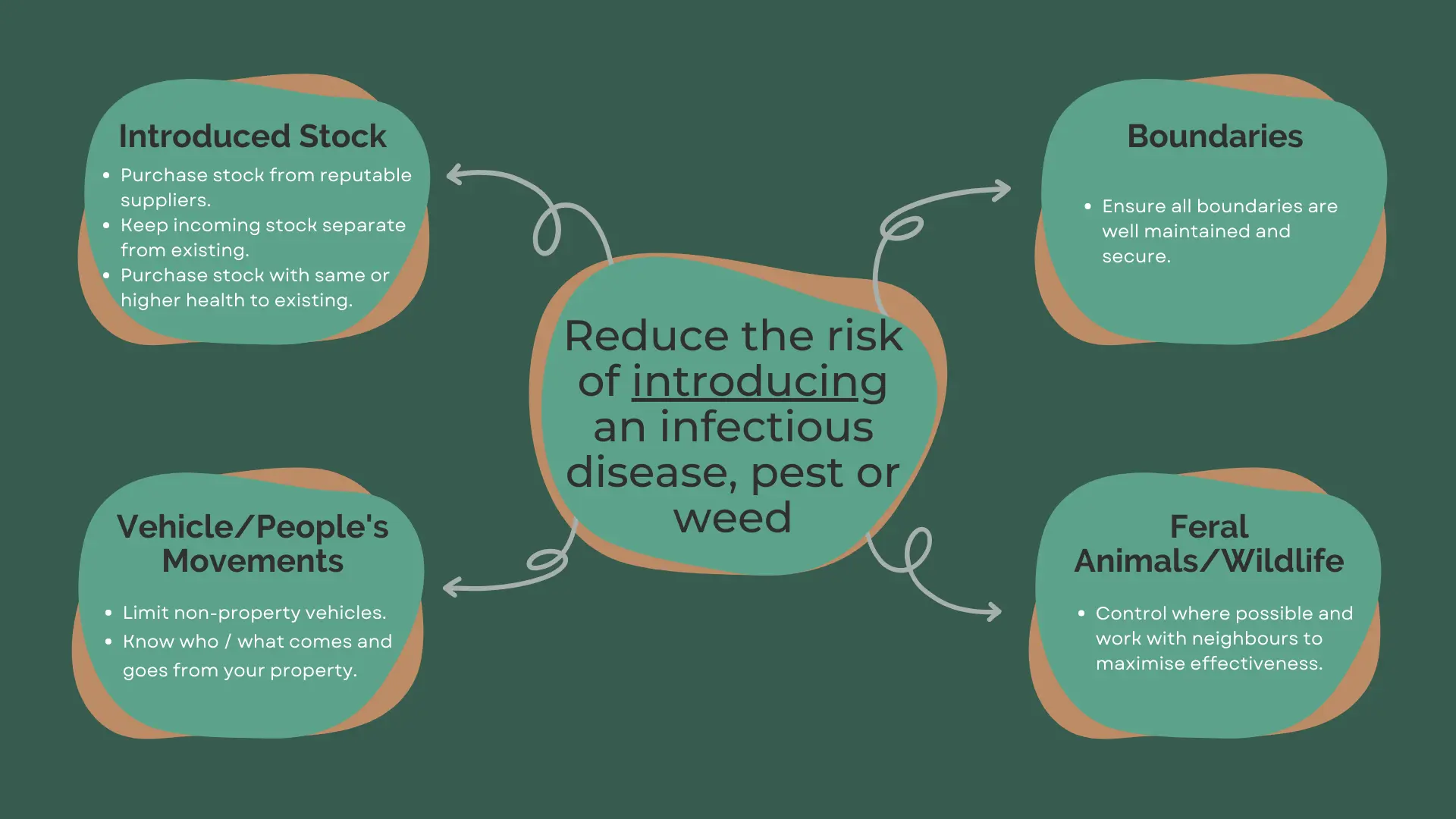
How cameras help
Cameras keep a watchful eye on what matters most, and that includes biosecurity. An Entry Guard at your gate records who is coming in and out of your property, and picks up any wildlife coming through. A Station Manager in your paddocks can help you keep watch over stock, staff and boundaries around the clock. Call us on 1800 308 270 for a chat about keeping your property safe.
If you spot anything unusual, call the Exotic Plant Pest Hotline on 1800 084 881 or the Emergency Animal Disease Watch Hotline on 1800 675 888.