Reasons for Farm Monitoring
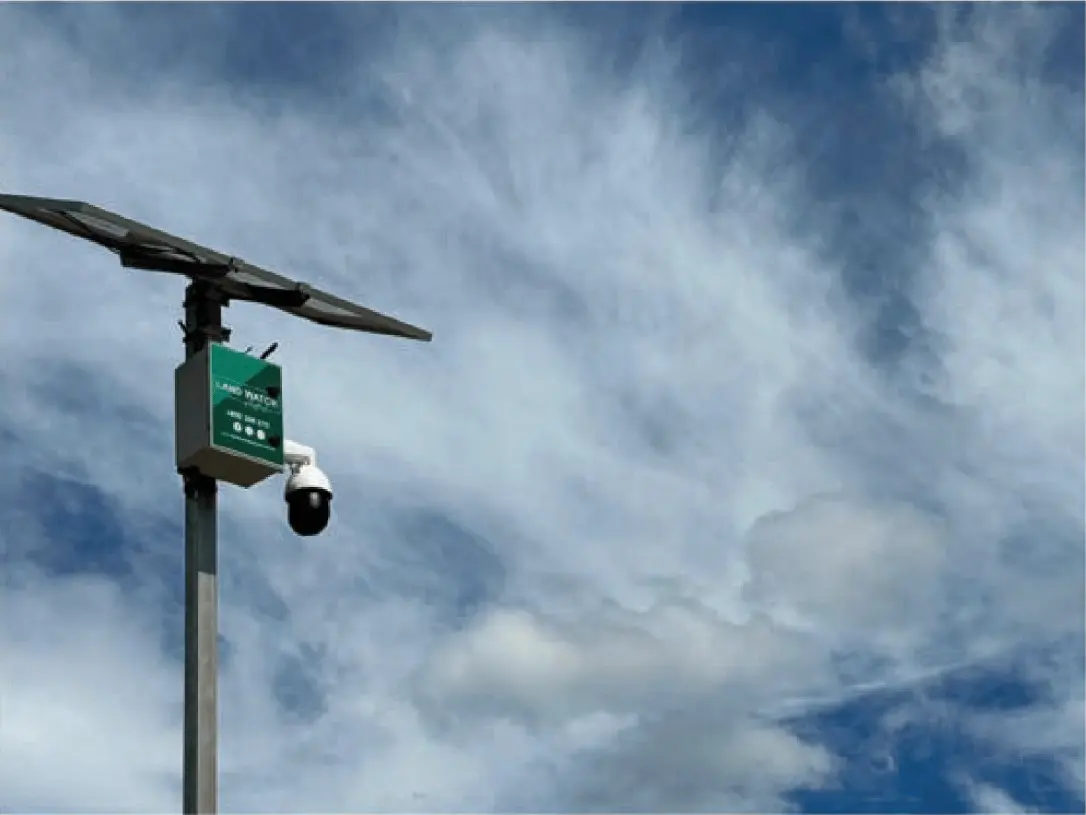
Farm monitoring is fast becoming one of the most useful tools in the rural industry, giving farmers better use of their time, a safer property and peace of mind. Here we unpack the most common reasons farmers use monitoring on their properties.
They’re not the only reasons, but they’re the ones we hear most. Over countless cups of tea on front verandahs and yarns leaning on ute trays, we’ve learned the key benefits of monitoring for all kinds of properties and purposes.
1. Stock management
Looking after stock welfare is the number one reason farmers use monitoring. With their livelihood and reputation on the line, it’s in every producer’s interest to keep a close eye on their stock.
Farming is changing, and monitoring stock welfare matters more with multi-property operations, often with long distances in between. We’ve also seen a rise in owners who don’t live on the property. Driving out every day, or even every second day, isn’t always possible and can be expensive.
The three things we hear most about monitoring for stock welfare are:
- checking water troughs, feed levels and mineral licks
- checking stock condition and where they are in the paddock
- watching stock while they’re in the yards
Cameras at key points have proven a real asset for keeping a consistent eye on stock. Of course, even the best monitoring system can’t replace a run around the property, but it helps keep up the high level of care your stock already get.
2. Property security
Unfortunately, security is one of the biggest reasons farmers use monitoring. We used to be able to leave doors and gates unlocked, but that’s no longer a habit we can afford. More and more, rural communities are using security cameras to cut down on theft and illegal entry, and lately, to keep track of protesters.
The areas most commonly monitored are:
- Sheds: the machinery shed and equipment, plus the diesel tank.
- House: including vehicles and pets or working dogs.
- Yards and silos: especially when they’re close to the road.
- Entries and exits: the main roads and tracks, for stock theft and poaching.
Many people make the mistake of hiding a camera, hoping to catch the crook in the act. In our experience, it’s far better to keep them out altogether. That means putting cameras up proudly where they can be seen, with large, clear signs at every entry saying cameras are used across the whole property.
3. Water management
This is a hot, dry country, and water is the number one resource to manage. Without it, stock and crops won’t survive, so we often meet farmers who want monitoring to manage their water.
Leaks, overflowing tanks and unusual water use can all be picked up early, which means faster diagnosis and faster repairs. Nobody wants to see water wasted, and it breaks our hearts to hear stories of tank or bore problems that a simple monitoring setup would have prevented.
A quick check of key water points tells you water levels, trough condition, and whether pumps, bores and windmills are working properly.
Some farmers also use their cameras to keep an eye on the weather across different parts of the property, some of which are as big as small European countries, or across the different properties they run.
4. Time and cost savings
As the farmers we talk to every day say, the more monitoring you have across the property, the more you save. It’s that simple. Checking a remote part of the property from the office instead of driving there saves time, and as the saying goes, time is money.
The top three savings farmers are finding are:
- Labour: usually the big one. Doing the water run in 10 minutes over your morning coffee, instead of half a day of driving for the station hand, adds up fast. You can also locate stock or narrow down where a water problem is.
- Theft: with protected entries and obvious cameras, you’re less likely to be targeted, which means less loss and damage. Unfortunately, they may try the neighbour’s place instead. If that happens, pass on our card.
- Insurance: less theft and illegal entry makes for happier insurers. And if something does happen, whether theft, vandalism or a workplace accident, having the footage on hand helps your claim or case.
Work smarter, not harder, as they say. Property monitoring is a step in the right direction.
5. Family time
This is our favourite benefit of farm monitoring and, honestly, the main reason we do what we do. It’s rarely the reason people first put in cameras, but it’s by far the best outcome, and it’s often why they add more later.
Done well, property monitoring can free up real time. What you do with the hour a day you save not driving out to check troughs or dam levels is up to you. Maybe it’s a ride with the kids, or making it to Saturday’s soccer game instead of driving to the other property.
Maybe it’s just the peace of mind that comes from knowing the place is secure and that you can check on things from anywhere. If that means you can head away for the weekend, why not?
Your reasons for monitoring may be broad and change over time, but we hope the biggest benefit is more time with your family.